
codici bonus casinò già registrato betflag — Le migliori offerte del 2026
codici bonus casinò già registrato betflag Con l’ingresso nel 2026, le promozioni dei casinò online hanno subito una notevole trasformazione. La competizione ha spinto i gestori a proporre incentivi più generosi e strutturati, e betflag bonus clienti esistenti sono diventate un punto di riferimento per i giocatori più attenti. La chiave sta nel confrontare le offerte e nel leggere con cura ogni dettaglio.
Vedi anche:
- Un’introduzione a betflag bonus esclusivo per iscritti: cosa aspettarti
- Punti Chiave sui Bonus di betflag casino
- Hai diritto a betflag bonus esclusivo per iscritti? Ecco come ottenerlo
- Screenshot delle Promozioni di betflag casino
- codice vantaggio betflag per iscritti: le risposte alle domande più comuni
- Gioca con Consapevolezza: I Consigli di betflag casino sui Bonus
Un’introduzione a betflag bonus esclusivo per iscritti: cosa aspettarti
The concept of a bonus in criptovaluta (cryptocurrency) represents a multifaceted and increasingly prevalent phenomenon within the digital asset ecosystem, one that spans everything from promotional incentives offered by exchanges and platforms to structural rewards embedded within blockchain protocols themselves. At its most fundamental level, a cryptocurrency bonus can be understood as any additional amount of digital tokens or coins granted to a user, investor, or participant beyond the primary amount they have deposited, traded, staked, or otherwise engaged with, and this seemingly simple definition belies a complex web of economic, technical, and behavioral implications that have evolved significantly since the early days of Bitcoin. To fully appreciate the depth and breadth of what a crypto bonus entails, one must examine its various forms—ranging from sign-up bonuses and deposit matches to referral rewards, airdrops, staking bonuses, and liquidity mining incentives—each of which operates under distinct mechanics, risk profiles, and strategic objectives for the issuing entity, while also considering the regulatory landscape, tax implications, security concerns, and the psychological impact on user adoption and retention. The proliferation of crypto bonuses is intrinsically tied to the competitive nature of the cryptocurrency market, where hundreds of exchanges, wallets, DeFi platforms, and NFT marketplaces vie for user attention and liquidity in a zero-sum game, and as a result, these bonuses have become a primary marketing tool, often mimicking the strategies of traditional online brokerages and gambling sites, but with the added twist of blockchain-native features like smart contract automation, transparency, and immutability. A deposit bonus, for instance, typically offers a percentage match on the amount of cryptocurrency a user transfers to an exchange, such as a 100% match up to a certain limit, which means that depositing $500 in Bitcoin could yield an additional $500 in the platform’s native token or a stablecoin, but these offers are rarely as straightforward as they appear, as they usually come with stringent wagering requirements, lock-up periods, and trading volume thresholds that must be met before the bonus can be withdrawn, effectively ensuring that the platform recoups its promotional costs through fees and spreads. Sign-up bonuses, on the other hand, are smaller, often ranging from $5 to $50 in free crypto, and they are designed to lower the barrier to entry for new users, particularly those who are unfamiliar with the space, by providing a tangible initial stake that can be used to explore trading, staking, or other features without requiring an initial deposit, and these incentives are frequently coupled with educational content or demo trading modes to foster a sense of competence and safety. Referral programs represent another pervasive form of bonus, where existing users receive a commission or flat reward for inviting new users to a platform, typically calculated as a percentage of the referred user’s trading fees or a one-time payout, and these programs exploit the trust networks inherent in social interactions, turning satisfied customers into enthusiastic evangelists, while also creating a viral growth loop that has proven remarkably effective in the crypto space due to the high engagement and community-oriented nature of the user base. Airdrops, which are distributions of free tokens to existing holders of a particular cryptocurrency or to users who meet certain eligibility criteria, such as holding a minimum balance or performing a specific action like connecting a wallet, serve multiple purposes: they can bootstrap network effects for new projects, reward loyal communities, create broad awareness, and even serve as a governance mechanism, but they also carry significant risks, including the potential for dusting attacks (where small amounts of tokens are sent to unsuspecting wallets to deanonymize them) and the tax liability that may arise from receiving property of value. Staking bonuses, which reward users for locking up their tokens to secure a proof-of-stake network or to participate in delegated staking, are fundamentally different from promotional bonuses because they represent a genuine yield on capital, akin to interest in traditional finance, and they are typically paid out in the network’s native token at rates that can vary from a few percent to double-digit annualized percentages, depending on the protocol’s inflation schedule, total staked supply, and network activity, but they also carry the risk of slashing (penalties for malicious or negligent behavior) and the opportunity cost of illiquidity. Liquidity mining incentives, popularized by DeFi platforms like Uniswap and Compound, offer bonus tokens to users who provide liquidity to trading pairs, often in the form of a platform’s governance token, and these incentives have given rise to the concept of ‘yield farming,’ where sophisticated users dynamically move their assets between pools to chase the highest returns, but they also introduce impermanent loss risk and the potential for smart contract vulnerabilities, making them a double-edged sword for both platforms and participants. Beyond these user-facing bonuses, there are also protocol-level bonuses that are built into the very fabric of a blockchain, such as block rewards for miners in proof-of-work systems like Bitcoin, which are essentially a subsidy that incentivizes the security of the network and will halve every four years until the maximum supply is reached, and transaction fee rewards that are distributed to validators in proof-of-stake systems, which ensure that the network remains operational and secure, and these structural bonuses are not discretionary but rather are codified in the protocol’s consensus rules, providing a predictable and transparent incentive structure that underpins the entire asset’s value proposition. The psychological impact of crypto bonuses cannot be overstated, as they tap into fundamental human biases such as loss aversion (where the fear of missing out on a bonus outweighs the potential risks), the endowment effect (where users overvalue assets they have received for free), and the sunk cost fallacy (where users continue to engage with a platform to unlock a bonus that they have already invested time or money into), and these cognitive biases are deliberately exploited by platforms through carefully designed user interfaces, countdown timers, progress bars, and tiered reward structures that create a sense of urgency and achievement. However, the proliferation of bonuses has also attracted malicious actors, and there have been numerous instances of fake airdrops, phishing scams that impersonate legitimate bonus programs, and ‘ponzi’ schemes that use high-yield bonuses to lure in unsuspecting victims, so it is essential for users to exercise due diligence by verifying the authenticity of any bonus offer, checking the project’s official channels, reviewing the smart contract code if possible, and being wary of any offer that requires excessive personal information or the payment of upfront fees. From a regulatory perspective, the treatment of crypto bonuses varies significantly across jurisdictions, with some countries like Japan and Singapore imposing strict requirements on how exchanges can market bonuses, including the need for clear terms and conditions, transparency about risks, and limitations on the types of tokens that can be offered, while others like the United States have yet to issue comprehensive guidance, leading to a patchwork of state-level regulations and a general uncertainty that has caused some platforms to restrict bonus offerings in certain regions or to implement geo-blocking measures, and this regulatory fragmentation creates compliance challenges for global platforms that must navigate a complex web of laws while also managing the risk of fines or legal action. The tax implications of receiving crypto bonuses are another critical consideration, as the Internal Revenue Service (IRS) in the United States and similar tax authorities in other countries generally treat bonuses as taxable income at their fair market value on the date of receipt, which means that users must keep meticulous records of the amount and value of every bonus they receive, and they must also track the cost basis for any subsequent sale or trade of those bonus tokens, which can be particularly burdensome for frequent traders or those who participate in multiple airdrops, and failure to report this income can result in penalties and interest, as the IRS has increasingly focused on cryptocurrency transactions through its enforcement efforts and the reporting requirements imposed on exchanges. The strategic use of bonuses by crypto platforms extends beyond mere user acquisition, as they also serve to increase the platform’s total value locked (TVL), which is a key metric for attracting institutional investors and venture capital, to incentivize specific behaviors such as trading certain pairs, using new features, or holding a platform’s native token, and to create a sense of community and loyalty that can be leveraged for governance decisions and future fundraising, but these strategies are not without their downsides, as excessive bonus distributions can lead to inflationary pressures on the token’s price, dilute the holdings of existing users, and attract ‘bonus hunters’ who are only interested in extracting value without contributing to the platform’s long-term health, a phenomenon that has been observed in many DeFi projects that have suffered from rapid boom-and-bust cycles.
Punti Chiave sui Bonus di betflag casino
- 10 giri gratis per un mese
- 50% fino a €300
- 45x requisito di gioco
- 45x puntata entro 30 giorni
Hai diritto a betflag bonus esclusivo per iscritti? Ecco come ottenerlo
La recensione di codici bonus casinò già registrato betflag analizza i tempi di prelievo e il supporto clienti.
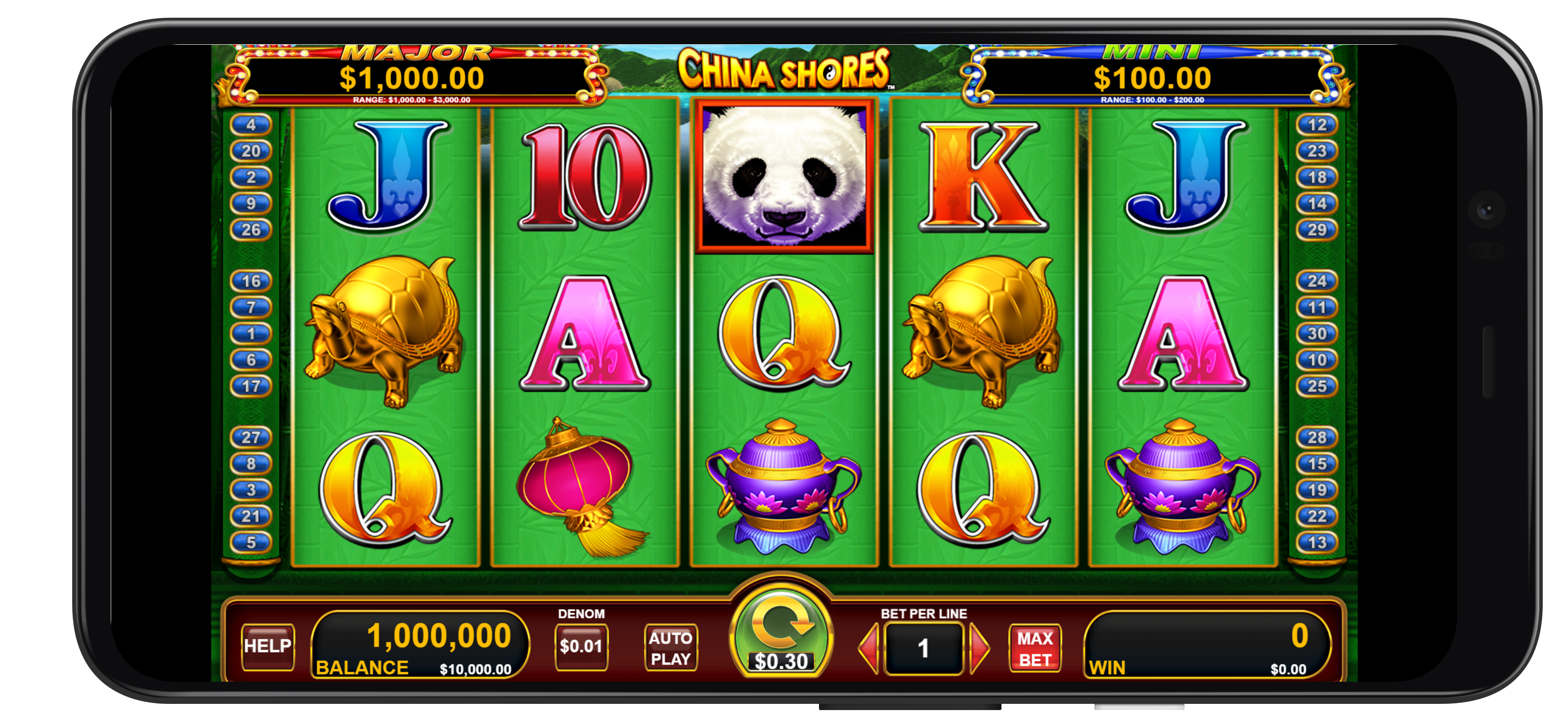
Screenshot delle Promozioni di betflag casino
codice vantaggio betflag per iscritti: le risposte alle domande più comuni
Qual è il bonus di benvenuto offerto da betflag casino?
betflag casino offre un generoso pacchetto di benvenuto che include un bonus sul primo deposito pari a 100% cashback fino a €2000 e un numero di free spin su slot selezionate. Il bonus è soggetto a requisiti di scommessa pari a 40x scommessa in 21 giorni e a un deposito minimo di €15.
Come posso ottenere il codice promozionale per il bonus di benvenuto?
Puoi trovare il codice promozionale direttamente sul sito di betflag casino o riceverlo via email dopo la registrazione. Inseriscilo nella sezione dedicata del cassiere prima di effettuare il deposito per attivare l’offerta.
Esiste un bonus senza deposito per i nuovi giocatori?
Sì, betflag casino offre occasionalmente un bonus senza deposito ai nuovi giocatori, come free spin o un piccolo importo di denaro gratuito. Questa promozione è soggetta a termini e condizioni specifici, inclusi requisiti di scommessa ridotti rispetto al bonus di benvenuto.
Quali sono i requisiti di scommessa per i bonus di betflag casino?
I requisiti di scommessa variano a seconda della promozione, ma per il bonus di benvenuto sono pari a 40x scommessa in 21 giorni volte l’importo del bonus. Le scommesse su giochi da tavolo e live casino contribuiscono in percentuale minore rispetto alle slot.
Come funziona il programma fedeltà e i premi VIP di betflag casino?
Il programma fedeltà di betflag casino premia i giocatori con punti per ogni scommessa reale, che possono essere convertiti in bonus o free spin. I giocatori VIP accedono a un account manager dedicato, cashback settimanale, limiti di deposito più alti e inviti a eventi esclusivi, in base al loro livello di attività.
I giocatori esperti di codici bonus casinò già registrato betflag sanno come sfruttare le promozioni.
gioco lotto online sisal — estrazioni facili | sisal casino
Gioca con Consapevolezza: I Consigli di betflag casino sui Bonus
Il gioco d’azzardo è consentito solo ai maggiorenni (18+). betflag casino opera sotto la licenza dell’ADM (Agenzia delle Dogane e dei Monopoli), l’ente regolatore italiano, e promuove il gioco responsabile. Se senti di perdere il controllo, puoi iscriverti al Registro Unico degli Autoesclusi (RUA) per bloccarti volontariamente da tutte le piattaforme legali. Per supporto gratuito e anonimo, contatta il Telefono Verde Nazionale per i problemi legati al Gioco d’Azzardo al numero 800 558822. Ti consigliamo di impostare limiti di deposito e di tempo, e di giocare solo per intrattenimento, mai per recuperare perdite.